Ethena Wallet
THE STRUCTURE BEHIND THE EXPERIENCE

Connected.
Not the same.

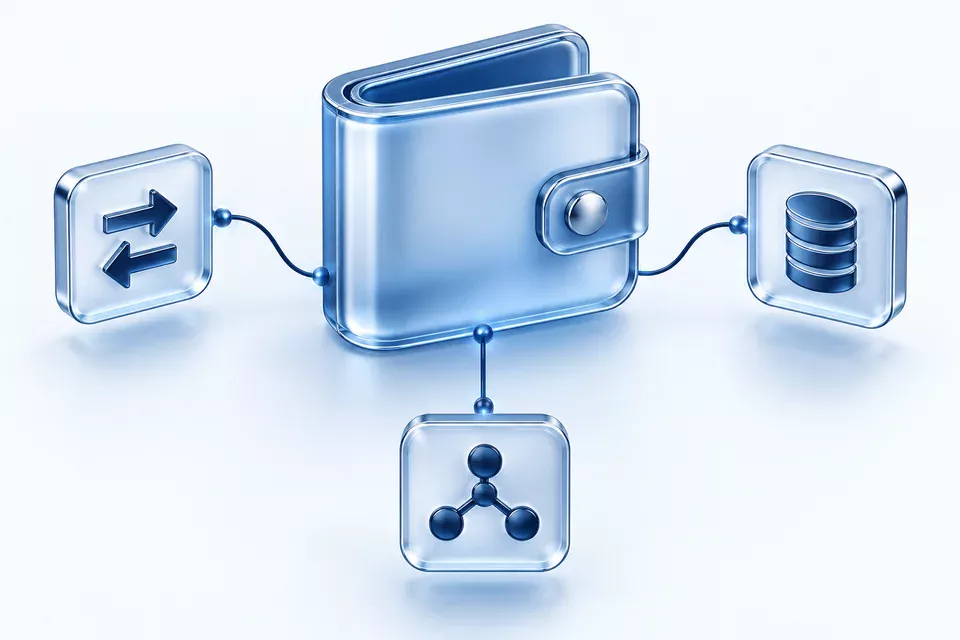
An interface, a network, assets and applications. Understand what each layer does — and where its responsibility ends.

Explore the architecture

Four layers.
One clearer picture.

Select a layer to understand its role.

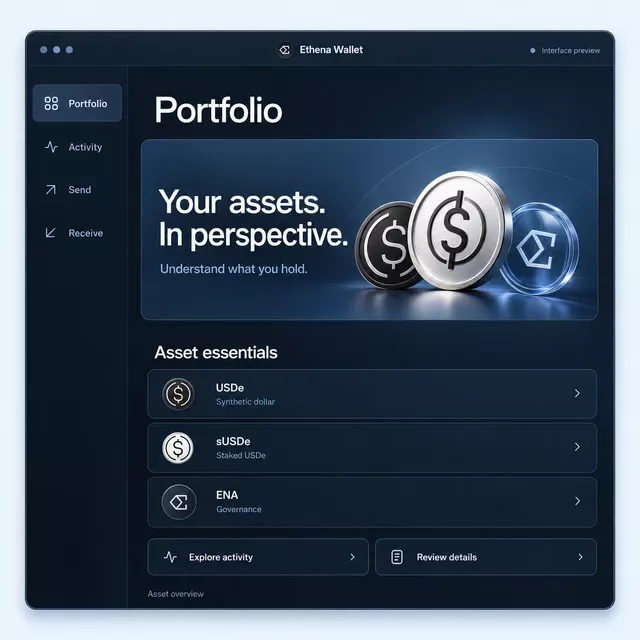
Illustrative desktop wallet interface
01 / Interface

Your window into the details.

The desktop interface organises information for review. It is separate from the contracts and infrastructure that determine how a protocol works.

Explore the interface
ALONGSIDE THE ONCHAIN LAYERS

Protocol infrastructure.

Backing assetsCustody & settlementHedging

These arrangements operate alongside contracts. They are not a separate blockchain.

TECHNOLOGY / RESPONSIBILITY

Know the layer.
Ask the right question.

A token standard describes how an asset works. The desktop application determines how you interact with it.

01 / TOKEN STANDARDS
Token interface · Vault shares

A shared format.

WHAT THE PROTOCOL DEFINESERC-20 / ERC-4626

Defines token interfaces and vault shares.

WHAT YOU SHOULD CHECK

Check asset compatibility.

Support depends on the application and selected network.

02 / AUTHORISATION
Readable fields · Defined request

A structured request.

WHAT THE PROTOCOL DEFINESEIP-712

Gives signed information a structured format.

WHAT YOU SHOULD CHECK

Read what you authorise.

Review the actual request. This website does not request a signature.

03 / INFRASTRUCTURE
Separate roles · Shared dependencies

Roles behind the protocol.

WHAT THE PROTOCOL DEFINESBacking / custody / hedging

Supports the protocol alongside its contracts.

WHAT YOU SHOULD CHECK

Check application security.

Key storage and recovery need their own documentation.

Ethena Network is presented here as an ecosystem of applications, not a separate blockchain.

Network selection guide